IMF Concludes Sri Lanka Mission, Cites Resilience Amid Downside Risks Ahead of Seventh Review
IMF staff and Sri Lankan authorities engaged in constructive dialogue concerning the Seventh Review of the IMF’s Extended Fund Facility (EFF), alongside the 2026 Article IV Consultation. These discussions are set to continue in the coming period as both sides work toward agreement on the parameters and policies necessary to complete the Seventh Review.
Sri Lanka’s economy remains resilient despite ongoing shocks, though the balance of risks still leans downward. Building a robust medium-term revenue strategy and administrative framework, maintaining energy cost recovery, and ensuring capital investment execution remain top priorities.
A steadfast commitment to sound policies and continued reform is essential to preserving macroeconomic stability. Moving beyond stabilization toward genuine transformation will require sustained structural reform momentum to reduce poverty and improve living standards through robust, inclusive growth.
At the first statutory review point, it would be wise to retain the 5 percent inflation target along with the existing accountability band, reinforcing the credibility of the inflation-targeting framework.
Washington, D.C.: A team from the International Monetary Fund (IMF), led by Mr. Evan Papageorgiou, traveled to Sri Lanka from September 10-23, 2026, to review recent macroeconomic trends and the progress made in implementing economic and financial policies under the EFF arrangement, as well as to discuss policy recommendations tied to the 2026 Article IV Consultation. Following the conclusion of the mission, Mr. Papageorgiou released the following statement:
“Sri Lanka’s economy has demonstrated notable resilience in the face of repeated shocks. Economic output grew by 4.2 percent in the second quarter of 2026, extending a streak of eleven consecutive quarters of solid growth. Although headline inflation climbed to 8 percent year-on-year in August — driven by the global oil price shock — inflation expectations remain largely stable. Gross official reserves climbed to US$6.9 billion by the end of August 2026. The banking sector continues to be well-capitalized and profitable, while fiscal performance in the first half of 2026 was strong, with debt restructuring nearly complete.
“That said, Sri Lanka still faces downside risks tied to the uncertain trajectory of the Middle East conflict, shifting global trade dynamics, and the potential effects of El Niño. Protecting macroeconomic stability in such a volatile environment calls for unwavering dedication to sound policy and reform — rebuilding both fiscal and external buffers, sustaining price stability, advancing governance initiatives, and reinforcing social safety nets to shield the most vulnerable populations.
“Toward that end, it is essential to design and roll out a medium-term revenue strategy that sustains revenue generation while enhancing the efficiency and equity of the tax system. Continued efforts to widen the tax base and streamline tax exemptions and incentives remain necessary. Bolstering revenue administration would further boost tax compliance and support lasting revenue growth. Maintaining cost-recovery energy pricing will help curb fiscal risks stemming from state-owned enterprises. Addressing obstacles to capital spending execution is equally important, particularly to speed up recovery and reconstruction efforts related to Cyclone Ditwah.
“Monetary policy must remain prepared to counter inflationary pressures and safeguard price stability over the medium term, consistent with the flexible inflation-targeting framework. Greater exchange rate flexibility will be key to absorbing external shocks and supporting reserve buildup. At the upcoming first statutory review, maintaining the 5 percent inflation target and current accountability band would be a prudent course of action. This target preserves the flexibility Sri Lanka requires given the volatility in food and energy prices, and as a track record of low, stable inflation is established, moving toward a lower target could be considered in future reviews.
“Safeguarding the integrity of the anti-corruption legal framework remains vital for building public trust. Certain provisions within the recently proposed amendments risk undermining transparency and accountability.
“The shift from stabilization toward transformation demands continued momentum on structural reforms to build a more favorable business climate and attract investment — through trade liberalization, modernized business and labor regulations, expanded access to finance, and accelerated digitalization. Ultimately, a consistent track record of sound policymaking and reform execution will strengthen resilience, restore lasting confidence, and elevate living standards through strong, inclusive growth, as our analysis indicates.
“The IMF team also traveled to Jaffna to gain firsthand insight into the Northern Province’s economic potential. Conversations with the private sector and civil society highlighted opportunities to drive growth and job creation through investment in connectivity, skills development, and sectors including agriculture, fisheries, tourism, and renewable energy — all while strengthening social protection to ensure Sri Lanka’s economic transformation benefits are shared more widely.
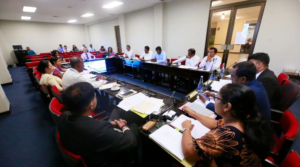
“During the mission, the IMF team met with His Excellency the President and Finance Minister Anura Kumara Dissanayake, Honorable Prime Minister Dr. Harini Amarasuriya, Honorable Labor Minister and Deputy Minister of Finance and Planning Prof. Anil Jayantha Fernando, Central Bank of Sri Lanka Governor Dr. P. Nandalal Weerasinghe, Secretary to the Treasury Dr. Harshana Suriyapperuma, Senior Economic Advisor to the President Mr. Duminda Hulangamuwa, Chief Advisor to the President on Digital Economy Dr. Hans Wijayasuriya, Governor of the Northern Province Honorable Nagalingam Vethanayahan, and other senior government and CBSL officials. The team additionally held discussions with members of parliament, private sector representatives, civil society organizations, and development partners.
“We extend our gratitude to the authorities for their excellent cooperation throughout the mission. Discussions are ongoing, with the aim of reaching staff-level agreement soon to enable timely completion of the Seventh Review. We reaffirm our continued commitment to supporting Sri Lanka.”