US Labels Huawei a “Criminal Enterprise”
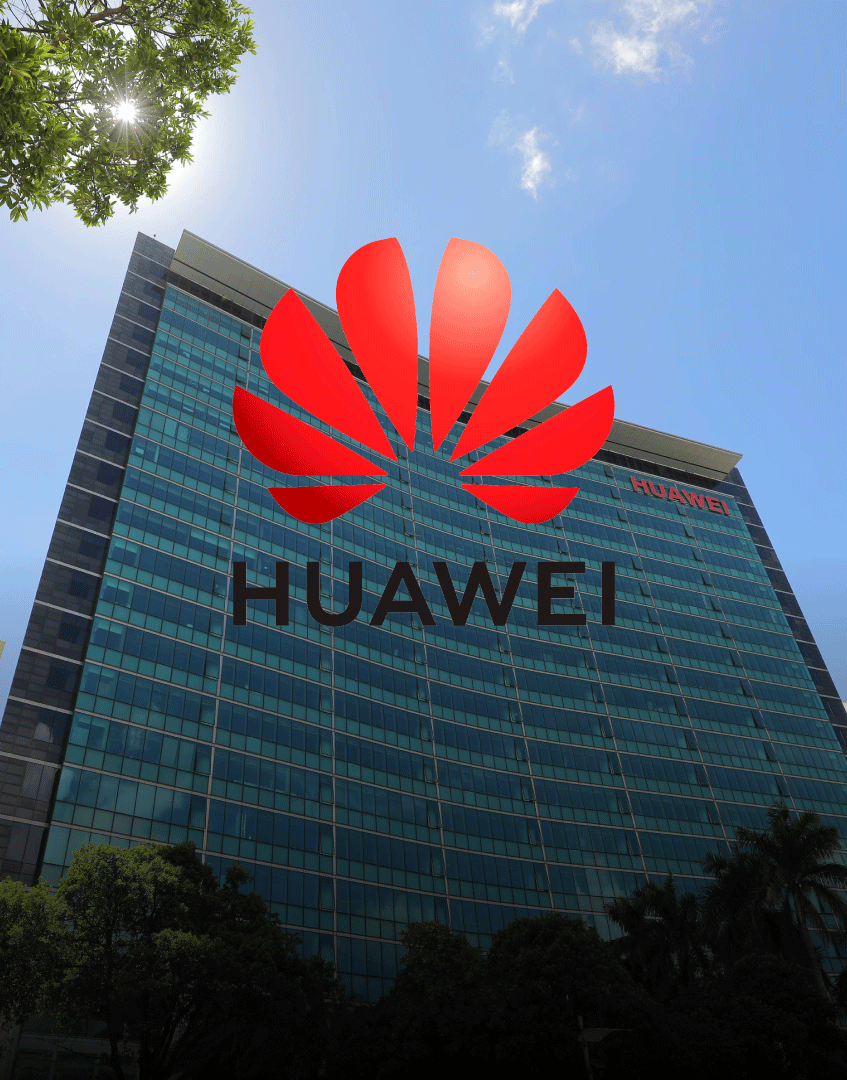
The trial started in federal court in Brooklyn, New York, on September 9, with US prosecutors portraying Huawei as a criminal enterprise that spent two decades stealing technology from US companies, deceiving banks and circumventing sanctions on Iran.
“Theft, lies, cover-up,” said Justice Department lawyer Taylor Stout in his opening remarks.
Prosecutors have accused Huawei of racketeering, money laundering, bank and wire fraud, sanctions violations, obstruction and conspiring to steal trade secrets from five US tech companies — allegedly including internet-router source code from Cisco and a robotic arm used by T-Mobile. The alleged wrongdoing spans roughly 1999 to 2020.
Huawei has pleaded not guilty. Its lawyer, Brian Heberlig, told jurors the case was about “competition, not conspiracy. Innovation, not theft. Ordinary business dealings, not criminal conduct.”
China’s Ministry of Foreign Affairs said Beijing “firmly opposes the US side’s suppression and containment of Chinese enterprises.”
The trial is expected to last about three months and overlaps with Chinese President Xi Jinping’s September 23–25 visit to Washington, where trade, AI, tariffs and tech access are likely on the agenda.
The case dates back to Trump’s first presidency, which placed Huawei on a US trade blacklist in 2019. In 2018, Huawei CFO Meng Wanzhou was arrested in Vancouver on a related US warrant; she returned to China in 2021 under a deferred prosecution agreement.