Japan’s Carmakers Join Forces
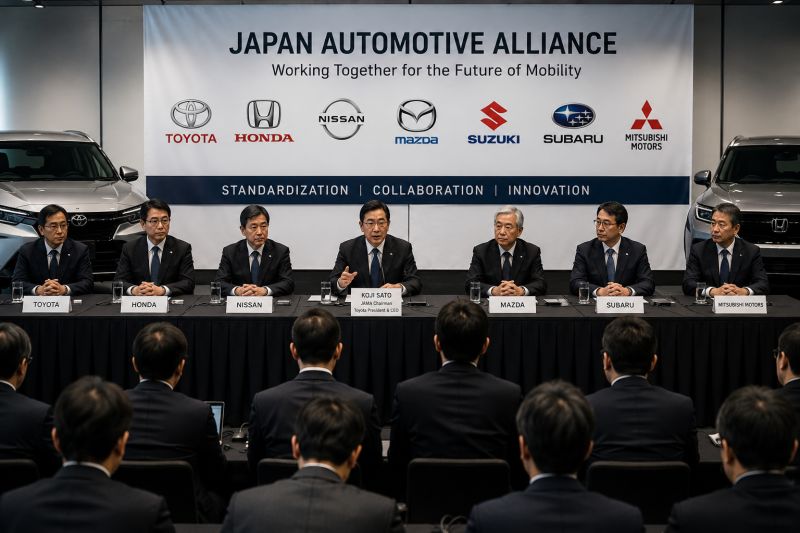
Japanese Carmakers Unite to Standardize Core Parts Amid EV Pressure
Japan’s 14 member automakers of the Japan Automobile Manufacturers Association (JAMA) have launched an unprecedented joint effort to standardize essential vehicle components, in a move aimed at cutting costs, strengthening suppliers, and improving the industry’s ability to compete with fast-growing Chinese electric-vehicle makers.
Announced in Tokyo on 19 November 2026, the initiative brings together Toyota, Honda, Nissan, Mazda, Subaru, Suzuki, Mitsubishi and other JAMA members with the Japan Auto Parts Industries Association (JAPIA). Rather than competing only on visible features, the companies will work to align technical specifications and testing rules for high-cost components that customers rarely see.
Why the industry is acting
For decades, Japanese automakers have used largely proprietary engineering standards for materials and parts. That approach has helped each brand protect its own designs, but it has also forced suppliers to produce many low-volume variations, increasing tooling, quality-control and procurement costs..
The new programme is intended to reduce that duplication. By creating common standards across rival manufacturers, JAMA and JAPIA hope to ease pressure on Tier-1 and Tier-2 suppliers, many of which face labour shortages, while freeing research and development resources for electrification and advanced vehicle technology.
JAMA Chairman and Toyota Vice Chairman Koji Sato described the effort as a response to a shared sense of crisis, saying the participating companies had chosen priority areas to help preserve the automotive industry’s role in Japan.
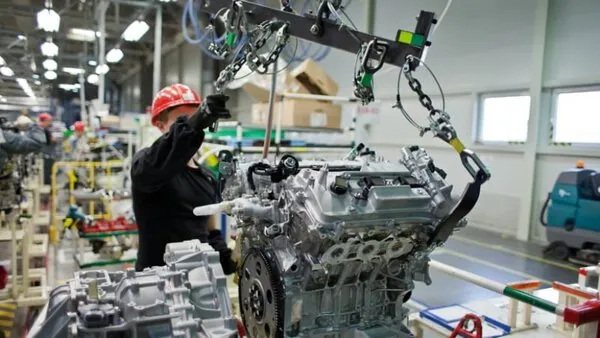
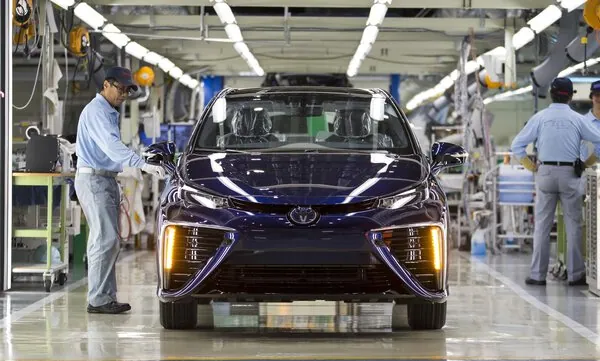
Three priority areas
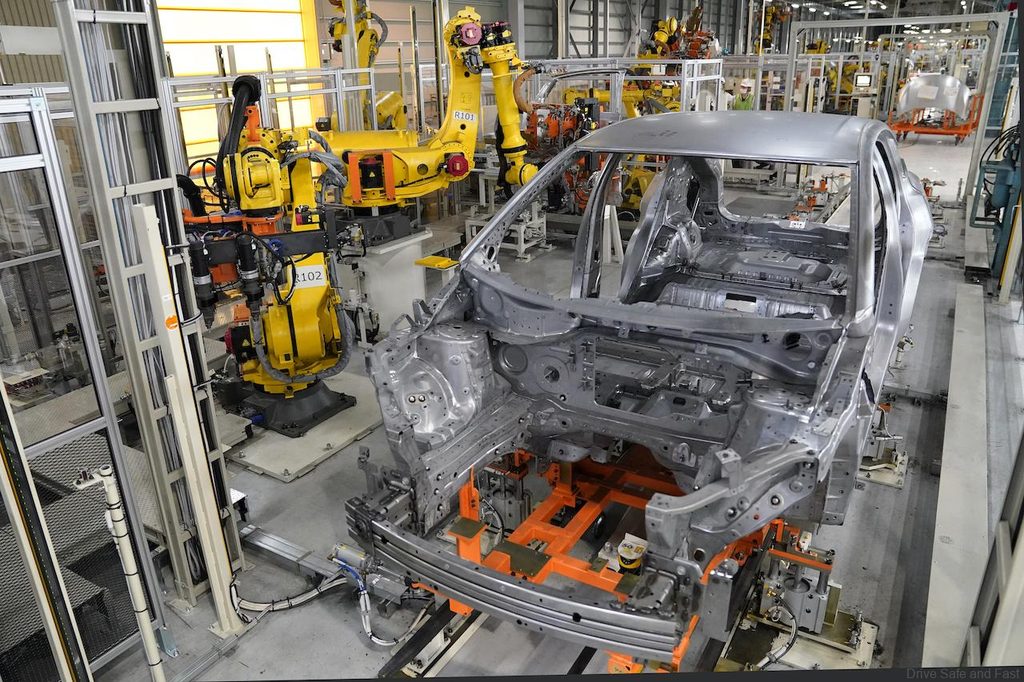
The first phase focuses on three foundational component groups: steel, plastics and resins, and wire harnesses.
| Area | Lead automaker | Planned change |
| Steel quality | Mazda | Consolidate low-volume steel grades and unify quality-assessment standards with the Japan Iron and Steel Federation. |
| Plastics and resins | Subaru | Standardize sorting, traceability and quality evaluation of recycled automotive polymers, while making vehicles easier to dismantle at end of life. |
| Wire harnesses | Toyota | Introduce common colour coding, connector-insertion requirements, lighter aluminium wiring and simpler circuit designs. |
Wire harnesses are a particularly important target. According to Sato, Japanese automakers currently use about 70,000 different wiring-harness variations, requiring suppliers to maintain separate moulds, assembly boards and manual work instructions. Standardization could make automation easier and reduce dependence on copper through greater use of aluminium wiring.
What it means for Asia
Although the programme begins in Japan, its effects could reach Southeast Asian supply chains that produce components for Japanese brands. Suppliers of wire harnesses, metal stampings and injection-moulded plastic parts may benefit from fewer product variants, shorter development cycles, more automation and lower tooling costs.
The sources also highlight Thailand’s position in the regional automotive ecosystem, reporting that the Thailand Board of Investment confirmed about US$4.1 billion in investment over the next three to four years shortly after JAMA’s announcement. That underscores the competitive pressure on other Asian manufacturing economies to upgrade their supplier networks and attract higher-value automotive investment.
The bigger challenge
The alliance does not mean Japan’s carmakers will build identical vehicles or abandon brand-specific technology. Instead, it targets shared “building blocks” behind the vehicle—materials, recycled polymers and wiring systems—where common standards can deliver savings without removing the differences customers notice.
If successful, the initiative could give Japanese manufacturers a stronger cost base as Chinese EV makers expand globally. It may also reshape supplier relationships across Asia, as component makers adapt to a more standardized Japanese automotive supply chain.